


Published Datasets
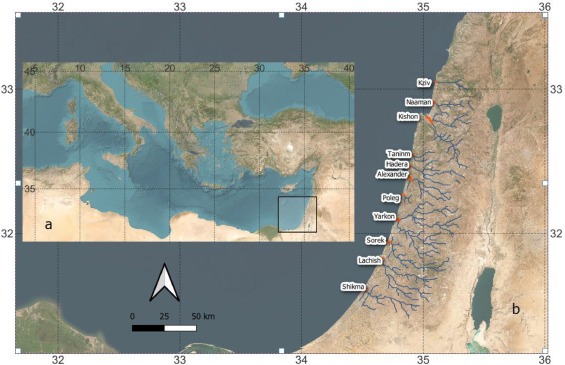
Pesticides and pharmaceuticals data collected during two consecutive years in a Mediterranean micro-estuary The Alexander micro-estuary, located at the eastern edge of the Mediterranean Sea, is a typical example of small water bodies that suffer from a combination of urban and agricultural pollution, and overuse of their natural water sources. It is ~6.5 km long, […]
Ammonia toxicity as a possible explanation for mass fish kills in the Israeli micro-estuaries
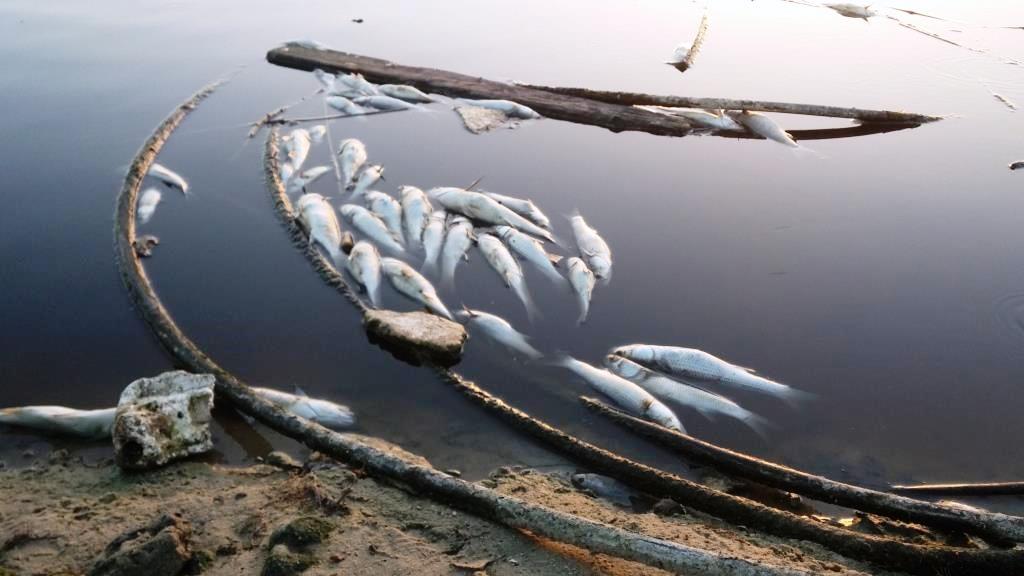
Cases of mass fish death, mostly flat head mullet (Mugil cephalus), were observed multiple times in Israeli micro-estuaries. A fish kill event that took place in a short span of time in multiple micro-estuaries during the spring of 2021 is used in this research as a test case to identify the cause of these events. […]
What Causes Lack of Oxygen in the Estuaries of Coastal Streams?
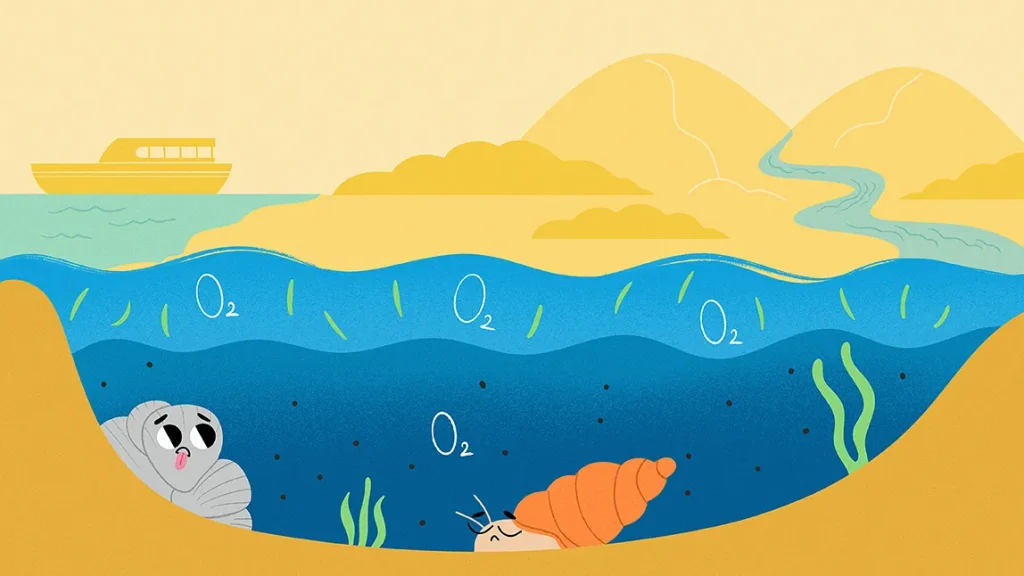
In Indian culture, the concept of samsara refers to the cycle of life. In Western science, samsara can be thought of as the cycle of biological matter: a cycle in which plants produce food and oxygen through a process called photosynthesis, using sunlight and carbon dioxide. Animals use oxygen to digest the plants they eat, […]
Plume dispersal of a hyper-eutrophic micro-estuary to the eastern Mediterranean
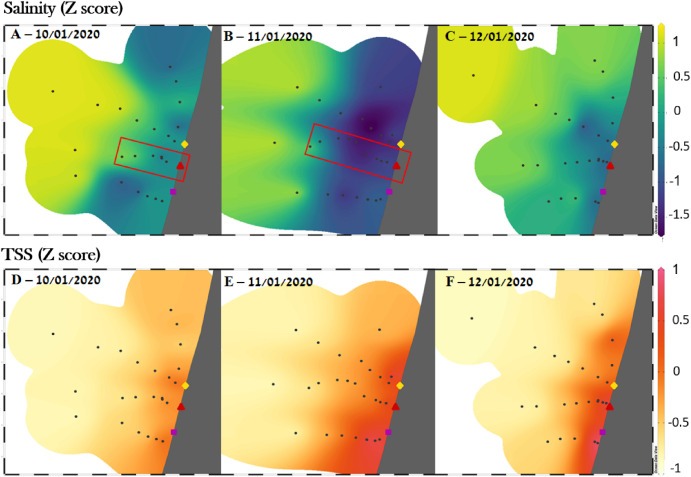
Rivers are the primary source of dissolved and particulate materials entering the oceans. Recent studies in Mediterranean streams showed a decrease in freshwater flow, indicating that this oligotrophic region, and probably other semi-arid oligotrophic regions, are likely to become more affected by small stream discharge and by an increase in flood event intensity and frequency. […]
Exploring Per- and Polyfluoroalkyl Substances (PFAS) in Microestuaries
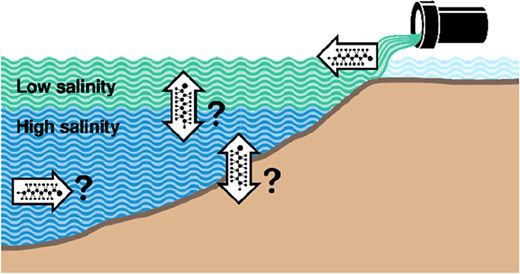
Microestuaries have a crucial role in supporting biodiversity and human life quality in heavily populated areas. They are also the last barrier controlling fluxes of pollutants from land to sea. Here, we report the occurrence and distribution of per- and polyfluoroalkyl substances (PFAS) during the dry season in three microestuaries. The total PFAS concentration (n=12) […]
Nutrient concentration, loads and retention in a semiarid micro-estuary
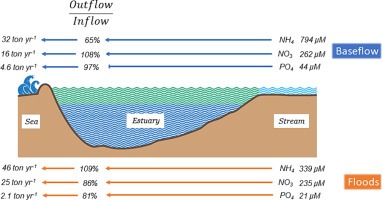
Estuaries are a significant source of nutrients to the marine environment. The magnitude of this source is a function of the nutrient load reaching the estuary and its removal (attenuation) within the estuary. Most estuarine research is conducted in large estuaries, which do not reflect the processes in small estuaries in urban and semi-arid regions, […]
Abundance and physical controls of Mediterranean micro-estuaries
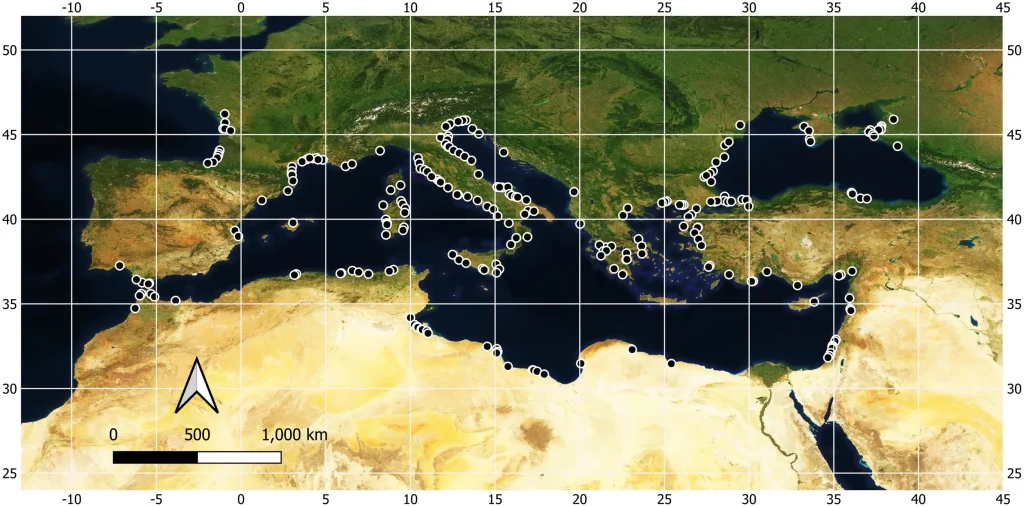
Estuaries, transitional zones between freshwater and the sea, are vital to global coastal ecology, support biodiversity, and provide ecosystem services. Estuarine research has often focused on larger systems while smaller estuaries (micro-estuaries) remain understudied. Here, we define micro-estuaries by their hydrological and physical characteristics and investigate their abundance in the Mediterranean Sea, a region experiencing […]
Continuous Oxygen Stress in the Estuary of the Alexander Stream
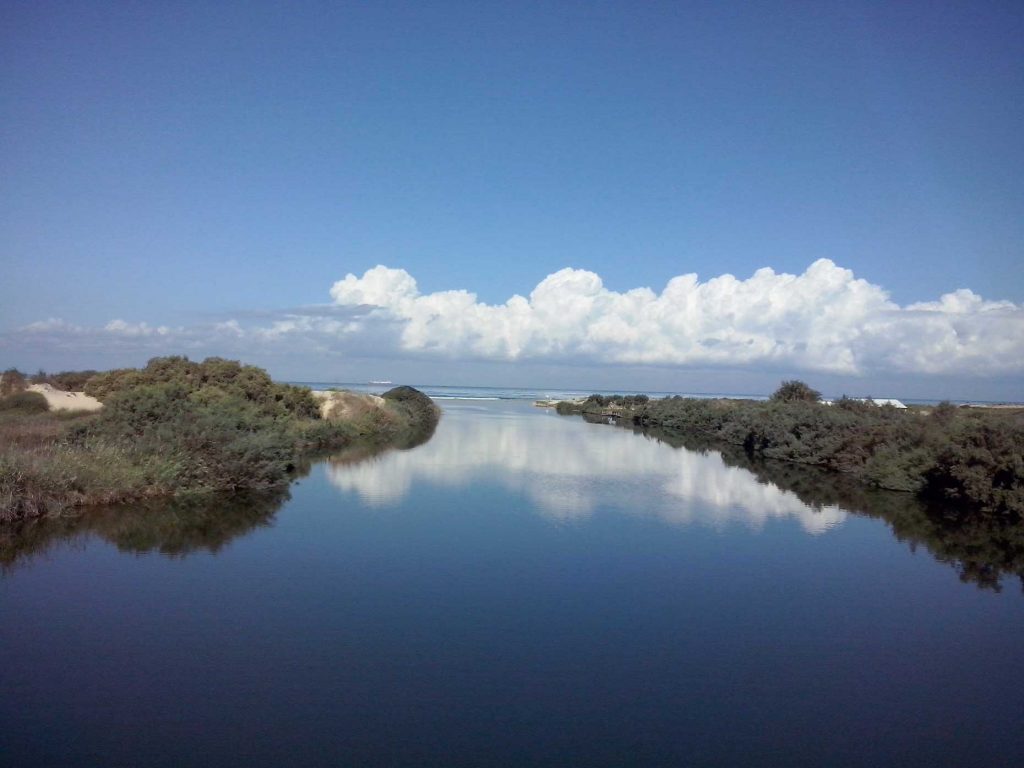
Continuous Oxygen Stress in the Estuary of the Alexander StreamAt the meeting point of streams and coastal rivers with the sea, salty, dense seawater penetrates upstream along the streambed. At the same time, fresher and less dense stream water flows above it in the opposite direction. This meeting zone is called an “estuary.” Estuaries are […]
The Estuaries of Israel’s Coastal Streams
The research team has compiled a booklet of insights and conclusions from a multi-year study in the Alexander and Taninim streams The full booklet is available here (in Hebrew) In the lower reaches of Israel’s coastal streams, water bodies known as estuaries are formed, where stream water meets sea water. Estuaries are characterized by a […]
Reservoirs with an Accelerated Release Mechanism – An Immediately Applicable Engineering Solution for Reducing the Damage of Effluent Discharge
Position paper:Reservoirs with an accelerated release mechanism – an immediately applicable engineering solution for reducing the damage of effluent discharge[Updated May 2022]Dr. Tom Topaz, Tal Sade, Merav Gilboa, Hadar Tzadka, Dr. Yair Suari and Prof. Gitai YahelThe Israeli Center for Estuarine Research AbstractContinuous discharge of treated wastewater (effluent) into streams, even when it meets the […]